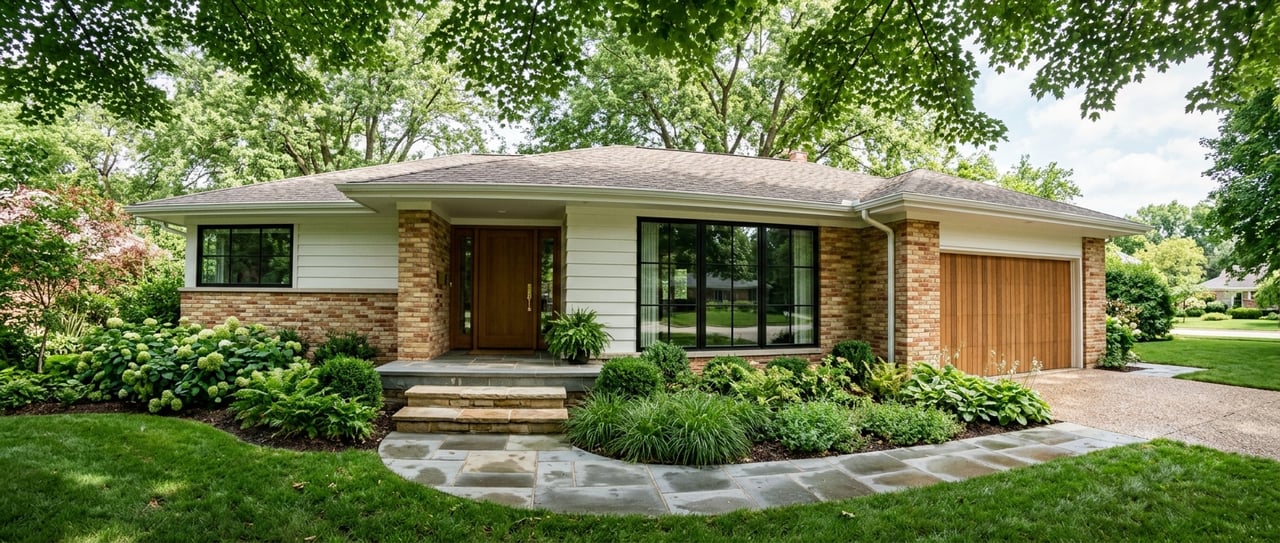
If you are home shopping in St. James, one of the biggest questions is not just how much house you can buy, but what kind of layout will actually fit your life. A home can look great online and still feel wrong the moment you walk through it. Understanding the styles you are most likely to see in St. James can help you narrow your search, compare options more confidently, and spot the tradeoffs that matter most. Let’s dive in.
Why St. James Has So Many Classic Layouts
St. James has a housing stock that leans heavily toward owner-occupied, detached single-family homes. Census data shows an owner-occupied housing rate of 87.7%, and ACS-based data shows 77.2% of housing units are detached single-family homes.
That matters because it helps explain why your search here will often center on traditional house styles instead of large pockets of brand-new construction. The median construction year is 1974, and a large share of homes were built in the 1960s, 1970s, and 1980s.
You will also see traces of the hamlet’s older development pattern. Suffolk County notes that St. James grew from farmland into a residential community after the railroad arrived in the late 19th century, and estate-era roots still shape parts of the local housing character.
What Buyers Typically See in St. James
Because much of the housing stock was built decades ago, St. James tends to offer a familiar mix of Colonials, ranches, capes, split-levels, raised ranches, and a smaller number of newer homes. Each style brings a different feel, traffic flow, and maintenance profile.
The key is to look beyond curb appeal. In this market, the same square footage can live very differently depending on where bedrooms sit, how the kitchen connects to living areas, and whether lower levels add usable space.
Colonial Homes in St. James
Colonials are one of the most visible styles in St. James today. Recent local examples include homes with three or four bedrooms, formal dining rooms, dens, finished basements, renovated kitchens, and more open first-floor flow.
What a Colonial layout feels like
A Colonial is usually a two-story home with living spaces on the main level and bedrooms upstairs. In many cases, you will find clearer room separation than in a ranch or raised ranch.
That setup can appeal to buyers who want distinct zones for daily living, work, or entertaining. Some St. James Colonials still have more formal room layouts, while updated versions may open the kitchen to family or dining space.
Why buyers choose Colonials
You may gravitate toward a Colonial if you want:
- More separation between living and sleeping areas
- A traditional two-story layout
- Space for a den, formal dining room, or finished basement
- A layout that can feel flexible for changing household needs
What to watch for in a Colonial
Not every Colonial lives the same way. Some feel bright and connected, while others may have smaller rooms or a more closed-off main floor.
In St. James, updated kitchens, renovated baths, and improved flow often make a big difference in how desirable a Colonial feels. Style matters, but condition usually drives value within the style.
Ranch Homes in St. James
Ranches remain a common and practical option in St. James. Local examples highlight the features many buyers want most in this style, including main-level living, updated kitchens, and easy access to family spaces.
What a ranch layout feels like
A ranch typically offers single-level living with a straightforward path from room to room. That simplicity can make daily routines feel easier and more efficient.
For some buyers, the biggest draw is convenience. With bedrooms, living areas, and kitchen space on one level, a ranch can feel more accessible and less segmented than a multi-level home.
Why buyers choose ranches
A ranch may fit you well if you want:
- Single-level living
- Simpler circulation throughout the home
- Fewer stairs in daily use
- A layout that often connects easily to the yard
What to watch for in a ranch
The main question is often whether the layout gives you enough separation and storage. Some ranches feel open and comfortable, while others may have tighter common spaces depending on when they were built and whether they have been updated.
Basement usability can also be a major factor. In St. James, buyers often weigh not just the main floor, but how much extra space a lower level can realistically provide.
Cape Cod Homes in St. James
Capes show up regularly in St. James and often appeal to buyers looking for charm, flexibility, and a smaller footprint. Local examples include homes with multiple bedrooms, eat-in kitchens, main-level baths, and potential for extra utility through basements or conversions.
What a Cape layout feels like
A Cape often has a compact footprint with living areas on the first floor and additional bedrooms or flexible rooms upstairs. That can make the home feel cozy while still offering more room than it first appears from the outside.
For buyers who do not need a sprawling layout, a Cape can offer a useful middle ground. It may give you enough space to grow into without the scale of a larger Colonial.
Why buyers choose capes
You may like a Cape if you want:
- Traditional character
- A manageable footprint
- Multiple bedrooms in a relatively efficient layout
- Potential to improve or personalize over time
What to watch for in a Cape
Room dimensions and ceiling lines can vary. It is important to think about how upper-level rooms function for your day-to-day needs, not just bedroom count.
In St. James, buyers often focus on whether a Cape has a practical kitchen layout, enough bath space, and useful basement or yard access. Those details can have a big impact on long-term comfort.
Split-Levels and Raised Ranches
If you want more separation than a ranch but do not necessarily want a full two-story Colonial, split-levels and raised ranches can be worth a serious look. Local examples include homes with lower-level dens, fireplaces, half baths, formal dining rooms, and main-floor primary bedrooms.
What these layouts feel like
Split-levels and raised ranches create distinct living zones across different levels or half-levels. That can give the home a more flexible feel, especially if you want space for work, hobbies, guests, or different daily schedules.
These homes often make it easier to spread out without the footprint of a larger traditional two-story house. For many buyers, that balance is the appeal.
Why buyers choose split-levels and raised ranches
These layouts may suit you if you want:
- More separation between activity zones
- Flexible lower-level living space
- Room for a den, office, or guest area
- A middle ground between single-level and full two-story living
What to watch for in these homes
You will want to pay close attention to how the levels connect. Some layouts feel intuitive and open, while others can feel choppy depending on where the kitchen, entry, and lower level sit.
Natural light, lower-level finish quality, and bathroom placement can strongly affect day-to-day livability. In this style, good flow is especially important.
New Construction in St. James
New construction is limited in St. James, but it does exist. Current examples include a to-be-built Colonial and a pre-construction custom home with features such as 10-foot ceilings, oversized windows, a main-floor bedroom, and a full walk-out basement.
Why buyers look at new homes
The draw of new construction is usually less about historic character and more about modern comfort. Buyers often prioritize newer systems, larger primary suites, energy-efficient features, and fewer immediate repair concerns.
If you want a more turnkey experience, new construction can be appealing. The tradeoff is that inventory is far more limited than in the resale market.
How Layout and Condition Affect Price
St. James is a higher-priced market, and local snapshots point to a moderately competitive environment. Homes.com reports a median home sale price of $800,500, a median list price of $849,999, 44 homes for sale, and 3.2 months of supply, while Realtor.com shows 82 active listings, a median listing price of $769,000, and median days on market of 21.
The exact numbers vary by source and timing, but the broader takeaway is consistent. Buyers are not just paying for square footage or style alone.
Updates often matter more than style alone
A well-maintained, thoughtfully updated home can often outperform a larger or more traditional competitor that needs work. Realtor.com’s local seller guidance notes that cosmetic updates typically pay off more reliably than major renovations that do not return full cost.
That lines up with current St. James examples. Renovated kitchens, updated finishes, improved outdoor flow, and usable lower levels often help drive buyer interest within the same general style category.
How to Match a Home Style to Your Life
The best home style for you depends on how you live, not just what looks best in photos. A layout that works beautifully for one buyer may feel awkward for another.
Here is a simple way to think about the main options in St. James:
- Colonial: Often a fit if you want room separation and a more formal or two-story layout
- Ranch: Often a fit if you prioritize single-level living and easy circulation
- Cape: Often a fit if you want charm, a smaller footprint, and some upside potential
- Split-level or raised ranch: Often a fit if you want distinct living zones and flexible space
- New construction: Often a fit if you want modern systems and fewer near-term repairs
Questions to ask during a showing
When you tour homes in St. James, try asking yourself:
- Does the kitchen connect well to the spaces where you will spend the most time?
- Do you want bedrooms grouped together or separated from main living areas?
- Will a basement or lower level add real usable space for you?
- Does the layout support your daily routine now and a few years from now?
- Are you comfortable taking on updates, or do you want more turnkey condition?
Those questions can help you compare homes more clearly, even when they look very different on paper.
A Smart Approach in St. James
In St. James, the strongest demand often centers on homes that pair a popular layout with recent updates to kitchens, baths, flooring, and outdoor areas. That is why it helps to evaluate style and condition together instead of treating them as separate decisions.
If you are buying, a clear understanding of layout can keep you focused and prevent costly compromises. If you are selling, knowing how buyers view your home’s style can help you decide which improvements are worth making before you list.
When you want local guidance on how a St. James home style fits your goals, reach out to Mark E Brode Jr. You will get thoughtful, personalized advice to help you move forward with clarity and confidence.
FAQs
What home styles are most common in St. James, NY?
- St. James is largely a detached single-family market, and buyers commonly see Colonials, ranches, capes, split-levels, raised ranches, and a limited number of new construction homes.
Are ranch homes common in St. James, NY?
- Yes. Ranches are a common option in St. James and often appeal to buyers who want straightforward main-level living and simple circulation.
How old are most homes in St. James, NY?
- The housing stock in St. James is largely mid-century, with the median construction year reported as 1974 and many homes built in the 1960s, 1970s, and 1980s.
Do Colonial homes in St. James usually have formal layouts?
- Many Colonials in St. James follow a traditional two-story layout, but some have been updated to create a more open flow between kitchen, dining, and living areas.
Is new construction easy to find in St. James, NY?
- No. New construction is limited in St. James, so most buyers will spend more time comparing resale homes in established neighborhoods.
What affects home prices most in St. James, NY?
- Style matters, but local examples suggest condition, finish level, and updates to spaces like kitchens, baths, flooring, and outdoor areas often have a strong influence on pricing and buyer interest.
