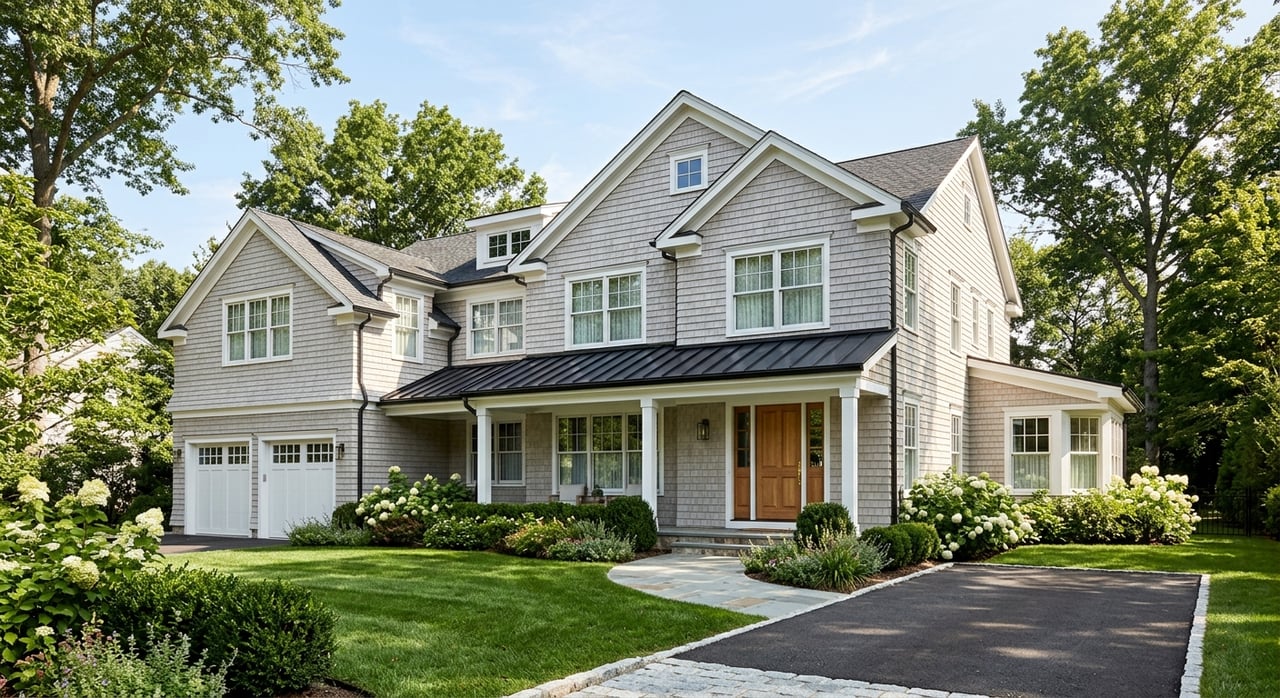
Looking for a North Shore community that feels quiet, scenic, and tucked away, yet still connected to the rest of Long Island? Head of the Harbor offers a very specific kind of lifestyle, one built around space, privacy, shoreline character, and a strong preservation-minded identity. If you are thinking about buying here or simply want a better feel for daily life, this guide will help you understand what makes the village distinct. Let’s dive in.
Head of the Harbor at a Glance
Head of the Harbor is an incorporated village in Suffolk County within the Town of Smithtown on Long Island’s North Shore. It is a small community of roughly three square miles, with 1,520 residents and 537 housing units according to the 2020 Census figures noted in the village resident handbook.
One detail that often surprises buyers is that a Head of the Harbor property may carry a St. James or Stony Brook mailing address, depending on where it sits in the village. That can matter when you are reviewing listings, comparing locations, or trying to understand how a property fits into the broader North Shore area.
What Daily Life Feels Like
Head of the Harbor is best understood as a low-density residential village with a countryside feel. Official village materials describe it as primarily residential and agricultural, and that shows up in the setting through winding roads, open land, scenic vistas, and a quieter pace of life.
This is not a place defined by a busy commercial center within the village itself. Instead, everyday life tends to be more home-centered and property-centered, with nearby errands and services tied to the surrounding North Shore communities.
For many buyers, that is part of the appeal. You get a setting that feels more private and removed, while still being close to the larger Stony Brook, St. James, and Smithtown area.
Housing Character and Lot Size
If you are browsing homes in Head of the Harbor, the housing pattern is important to understand early. Village zoning and planning documents show a strong emphasis on conserving open space and limiting density, which helps explain why the community feels spacious and established.
In the village’s residential districts, A and A-1 require a two-acre minimum lot size, while B requires one acre. That means homes here are generally associated with larger parcels, more separation between properties, and a setting that prioritizes land, privacy, and visual openness.
The code also reflects a detached residential environment. Single-family homes are the basic residential use, while only limited special-permit uses are allowed for things like churches, nonprofit schools, agriculture, and guest houses.
For you as a buyer, that translates into a market shaped less by mixed-use convenience and more by lot size, home placement, landscape, and long-term setting. If you value elbow room and a less crowded feel, this land-use pattern is a big part of what defines everyday life here.
Historic Homes and Preservation
Head of the Harbor has a strong historic identity, and that is more than just a visual impression. The village handbook highlights properties such as Deepwells, Box Hill, Timothy House, and the Wetherill Estate, and village materials note that many homes are listed on the National Register of Historic Places.
The village also adopted a Historic Preservation Law in 1999. For buyers, that can add to the appeal of the housing stock and the character of the streetscape, especially if you are drawn to homes and settings with architectural history.
It can also shape ownership expectations. In a village that values preservation, exterior changes and property updates may involve more review than in a typical suburban setting.
Waterfront Access and Open Space
One of the biggest lifestyle draws in Head of the Harbor is its relationship to the water and surrounding open space. Official village descriptions emphasize waterfront on Stony Brook Harbor, scenic roads, and numerous parks.
Residents can access the harbor at Cordwood Park and at public access points on Hitherbrook Lane extension, Shep Jones Lane extension, and Thompson Lane. The village waterfront program also notes extensive public access to the foreshore, including points that can be adapted for small-boat launching.
Nearby nature access is another major plus. Avalon Nature Preserve, located on Long Island’s North Shore, protects 216 acres and offers about five miles of trails through five habitats, with 140 acres open to the public.
For your day-to-day life, that can mean more opportunities to get outside without driving far for a sense of calm. Whether you enjoy shoreline views, walking trails, or simply living near preserved land, this part of the village lifestyle stands out.
Commuting and Getting Around
Head of the Harbor has a car-oriented layout, which is typical for a low-density village with large residential lots. Still, it remains connected to the larger region through the Long Island Rail Road and the road network across the North Shore.
The Town of Smithtown describes itself as centrally located along Long Island’s North Shore, about 50 miles from New York City and about a half hour from Atlantic Ocean beaches. The town also notes access to three Long Island Rail Road stations and frequent service to New York Penn Station.
For Head of the Harbor residents, the most relevant rail options are on the Port Jefferson Branch. MTA station information shows that both Stony Brook and Port Jefferson are accessible stations, and Stony Brook also offers ticket machines plus Suffolk County Transit and Stony Brook University shuttle connections.
If you commute part-time, travel into the city occasionally, or want rail access without living in a denser downtown setting, that balance may be appealing. You are not living in a walk-to-train village core, but you are still within reach of the broader regional network.
What Buyers Should Verify
In a village like Head of the Harbor, details matter. The setting may feel peaceful and straightforward, but buying here often means paying close attention to municipal rules, district lines, and property-specific conditions.
The Town of Smithtown notes that school, fire, election, and other districts do not necessarily align with municipal boundaries. If you are considering a home here, it is smart to verify the exact district assignments tied to that property rather than assume they are uniform across the village.
Property improvements also deserve extra review. The village building department says permits are required for new construction, additions, plumbing and electrical work, and features such as pools, patios, fences, walls, ponds, tennis and sports courts, garages, decks, docks, driveways, and grade changes.
On top of that, the review process can involve the Architectural Review Board and the Zoning Board of Appeals. If you are planning renovations, outdoor upgrades, or long-term changes, it helps to understand early that approvals may involve more than one step.
Ownership Responsibilities to Know
Head of the Harbor’s preservation focus continues after closing. The resident handbook states that each property must maintain a 25-foot natural buffer, and tree removal may require a permit.
Those are meaningful details for buyers who are comparing this village with other North Shore communities. Landscaping, clearing, privacy planning, and ongoing maintenance may be shaped by local rules designed to protect the village’s natural character.
If you love the idea of mature landscapes, shoreline sensitivity, and a more preserved setting, these standards may feel like part of the value. If you are hoping to make major site changes, they are important to factor into your decision.
Who Head of the Harbor May Suit Best
Head of the Harbor tends to appeal to buyers who want a quieter North Shore lifestyle with more land and a strong sense of place. The combination of larger lots, detached homes, waterfront character, and preservation-minded planning creates a living experience that feels different from more commercial or more densely developed parts of Long Island.
You may find the village especially attractive if your priorities include privacy, scenic surroundings, historic character, and access to nearby North Shore amenities rather than an in-village retail core. It can also be a strong fit if you want a home that feels tucked away while still staying connected to Stony Brook, Smithtown, and the Port Jefferson Branch.
For sellers, these same qualities can help shape how a home is positioned in the market. Buyers are often responding not just to square footage, but to the overall setting, lot characteristics, and long-term lifestyle the village offers.
If you are considering a move in or out of Head of the Harbor, it helps to work with someone who understands how these local details influence buyer expectations, property value, and day-to-day ownership. That is where strategic guidance can make the process feel much smoother from start to close.
Ready to talk through your next move on the North Shore? Mark E Brode Jr can help you navigate Head of the Harbor and nearby Long Island communities with clear advice, responsive communication, and a personalized plan.
FAQs
What is Head of the Harbor like for everyday living?
- Head of the Harbor offers a quiet North Shore lifestyle centered on large residential lots, scenic roads, waterfront access, and nearby open space rather than a busy in-village commercial core.
What types of homes are common in Head of the Harbor?
- The village is primarily a single-family home market, with zoning that emphasizes detached homes, open space, and low-density development.
How large are lots in Head of the Harbor?
- Village planning documents state that residential districts A and A-1 require a two-acre minimum lot size, while district B requires a one-acre minimum lot size.
Is Head of the Harbor near the Long Island Rail Road?
- Yes. Nearby stations on the Port Jefferson Branch include Stony Brook and Port Jefferson, both of which are accessible according to MTA station information.
Are there waterfront access points in Head of the Harbor?
- Yes. The village handbook says residents can access the harbor at Cordwood Park and at public access points on Hitherbrook Lane extension, Shep Jones Lane extension, and Thompson Lane.
What should buyers verify before purchasing in Head of the Harbor?
- Buyers should verify property-specific district assignments, permit history, and any renovation or landscaping rules, since district boundaries may not match village lines and many improvements require village approval.
