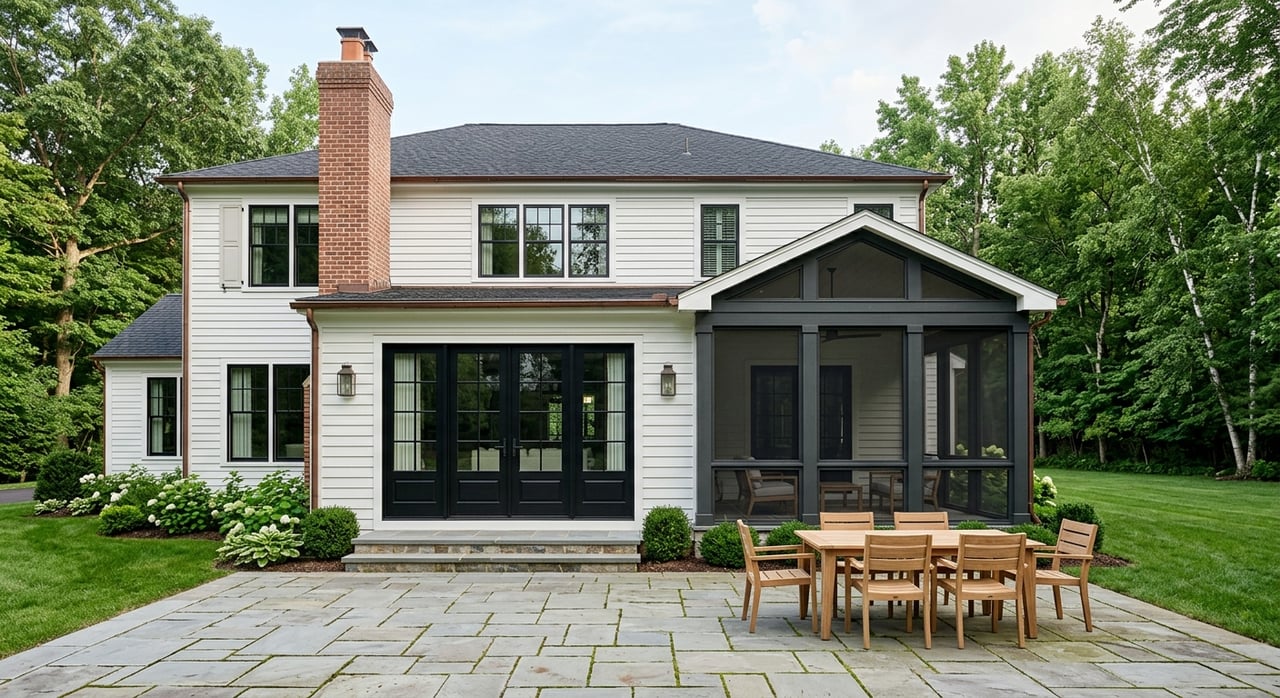
If you picture North Shore living as a mix of quiet roads, large residential lots, and access to the water, Nissequogue may already be on your radar. But this village is not the right fit for every buyer, and that is exactly why it is worth understanding before you start your search. If you are wondering whether Nissequogue matches your lifestyle, commute, and home goals, this guide will help you weigh the pros, tradeoffs, and everyday realities. Let’s dive in.
What Nissequogue Is Really Like
Nissequogue is an incorporated village on Long Island’s North Shore in Suffolk County, about 50 miles east of New York City. It is 3.6 square miles and sits between the Nissequogue River, Long Island Sound, Stony Brook Harbor, the Village of Head-of-the-Harbor, and the Town of Smithtown. If you know the area mostly by ZIP code, its mailing address is Saint James, NY 11780.
One of the biggest things to know is that Nissequogue is entirely residential. The village does not allow industrial or commercial uses except certain agricultural, horticultural, or other special uses permitted by the village. That means you are choosing a place centered on homes, land, and natural surroundings rather than a village downtown with shops and restaurants.
Why Buyers Choose Nissequogue
For many buyers, Nissequogue stands out because it feels protected, private, and low density. The village planning approach is focused on preserving natural beauty, shoreline areas, marshlands, and the existing residential environment. Nearby Smithtown is expected to serve many shopping and cultural needs.
That distinction matters when you compare Nissequogue with other North Shore communities. If you want a setting where the home site and outdoor environment play a major role in daily life, this village can offer a very specific kind of appeal. If you want walkable errands and a built-in retail center, you may find it less convenient.
Large Lots Shape the Lifestyle
Nissequogue zoning is built around low-density residential living. The village has R-1 and R-2 residence districts with minimum lot sizes of one acre and two acres, along with substantial front, side, and rear setbacks. The zoning also reinforces a detached, one-family home pattern.
In practical terms, that often means more separation between homes and a stronger sense of space. Historical state waterfront analysis also described the village as predominantly low density, with an average developed residential lot size of 3 acres at the time of the study and a large share of residential land in estate holdings. That helps explain why Nissequogue still feels estate-oriented today.
Detached Homes Are the Norm
If you are searching for condos, co-ops, or a conventional starter-home setup, Nissequogue is generally not designed for that type of housing mix. Its character is centered on detached single-family homes on larger parcels. Buyers who want acreage, privacy, and a more tucked-away residential setting often find that appealing.
This also means inventory can feel more specialized. Your search here is less about finding the most walkable block and more about evaluating lot size, natural setting, road access, and how each property fits your long-term needs.
The Waterfront and Outdoor Appeal
Nissequogue has a strong connection to the outdoors. The village highlights Delafield Woods and Butler Huntington Woods Conservancy trails, along with marshlands and bird habitat in the Nissequogue River Basin. Nearby Nissequogue River State Park adds hiking, fishing, bird watching, canoe and kayak access, and bluff-top views.
If your ideal home search includes nature as part of everyday life, this can be a major advantage. The outdoor setting is not just a nice extra here. It is part of the village identity.
Beach and Recreation Access
The Town of Smithtown’s Short Beach facility in Nissequogue includes bathing beaches, picnic areas, pavilions, restrooms, showers, and surf casting. The broader waterfront area is known more for recreational use than commercial water activity. In other words, you are looking at a quieter waterfront environment rather than a marina-heavy scene.
That can be a real plus if you prefer a calmer, more residential shoreline experience. It may be less appealing if you are hoping for a busy boardwalk atmosphere or a waterfront district with shops and entertainment.
Important Tradeoffs to Consider
Every community has tradeoffs, and Nissequogue is no exception. In this case, the same features that attract buyers can also narrow the pool of people who feel fully at home there. A smart decision starts with being honest about how you actually want to live day to day.
Convenience Is Not the Main Draw
Because the village is entirely residential, Nissequogue is not built around walkable shopping or mixed-use convenience. Many daily errands and services are tied more closely to nearby areas such as Smithtown. If you enjoy hopping out for coffee, groceries, or errands on foot, this may not match that lifestyle.
For some buyers, that is a nonissue because privacy and space matter more. For others, it can become a frustration over time. The right answer depends on what you want your routine to feel like.
Waterfront Rules Can Affect Plans
If you are especially interested in waterfront or near-water property, it is important to understand the regulations. Village code requires minimum setbacks of 100 feet from Long Island Sound and Stony Brook Harbor, 150 feet from the Nissequogue River, 100 feet from freshwater or tidal wetlands, and 100 feet from bluff ridge lines. Residential buildings are also not allowed in coastal high-hazard V zones.
These rules help support the village’s preservation goals, but they can affect how a property may be used or improved. If you are comparing homes near the water, due diligence becomes especially important.
Seasonal Traffic Is Worth Noting
The waterfront lifestyle comes with some seasonal congestion. Village code notes that summer traffic on Long Beach Road and Moriches Road can approach capacity because of nearby bathing and boating facilities. That does not mean the village feels busy all year, but it is something to keep in mind if your route depends on those roads.
What Commuting Looks Like
Nissequogue is not a transit-first village. For many commuters, the pattern is drive to the Long Island Rail Road rather than walk to it. Nearby Port Jefferson Branch stations include Smithtown and St. James.
Smithtown station is accessible and has ticket machines, no ticket office, and Suffolk County Transit connections. St. James also has ticket machines, no ticket office, and a weekday-only waiting area. The Town of Smithtown publishes parking information for both stations, which reinforces the typical drive-to-station routine.
If you commute into other parts of Long Island or toward New York City, that setup may work well enough as long as you are comfortable with a car-based routine. If you want a home where train access is part of the immediate neighborhood experience, Nissequogue may feel less convenient.
School Planning and Household Fit
For buyers planning around public schools, the village community information identifies the Smithtown School District. The same village information also points to nearby private school options, including Harbor Country Day School, Knox School, Three Village School, and The Stony Brook School.
School planning is often part of the decision here because the village itself is so residential and spread out. If this is part of your move, it helps to think through transportation, schedule flow, and how the location supports your household routine.
Who Nissequogue Fits Best
Nissequogue tends to be the best fit for buyers who want:
- Detached homes
- Larger lots or acreage
- A quiet residential setting
- Access to nature and shoreline recreation
- A lower-density North Shore environment
- Privacy and long-term lifestyle value tied to setting
This village may be less ideal if you want:
- A walkable downtown
- Mixed-use convenience close to home
- Smaller-lot suburban living
- Condo or co-op style housing
- A more typical starter-home market
- A transit-oriented daily routine
How to Decide if It Is Right for You
The best way to evaluate Nissequogue is to think beyond the photos and the prestige of a North Shore address. Ask yourself what matters more in your next move: space or convenience, privacy or proximity, natural setting or quick-access retail. In Nissequogue, the answer tends to shape everything.
You should also look closely at the details of each property. Lot size, setbacks, proximity to protected natural features, and commuting patterns can all have a bigger impact here than they might in a more conventional suburban neighborhood. A home can be beautiful on paper but still feel wrong if the day-to-day fit is off.
If you are weighing Nissequogue against nearby North Shore options, a clear comparison can save you time and help you avoid chasing the wrong kind of inventory. The right guidance can make that process much smoother, especially in a market where setting and land use matter as much as square footage.
If you are considering a move on the North Shore and want help figuring out whether Nissequogue matches your goals, Mark E Brode Jr can help you compare neighborhoods, evaluate home fit, and navigate the process with clear, local guidance.
FAQs
Is Nissequogue in Saint James 11780?
- Yes. Nissequogue’s mailing address is Saint James, NY 11780, even though it is its own incorporated village.
What types of homes are common in Nissequogue?
- Nissequogue is defined by detached one-family homes on large residential lots, with zoning districts built around minimum lot sizes of one acre and two acres.
Does Nissequogue have a downtown shopping area?
- No. The village is entirely residential and does not have a mixed-use downtown core with standard commercial development.
Is Nissequogue a good fit for buyers who want waterfront access?
- It can be, especially if you value recreational shoreline access, beaches, trails, and a quieter waterfront setting, but waterfront and near-water properties are subject to stricter setback and land-use rules.
How do most commuters travel from Nissequogue?
- Many commuters drive to nearby Long Island Rail Road stations such as Smithtown or St. James rather than walking to a station from within the village.
What public school district serves Nissequogue?
- The village community information identifies the Smithtown School District as the public school district serving Nissequogue.
